



Sodium alginate, also known as sodium alginate (synonyms: alginic acid sodium salt, kelp gum, algin), is a natural linear high-molecular-weight polysaccharide polymer extracted from raw materials such as kelp and seaweed, appearing as a white or pale yellow powder.




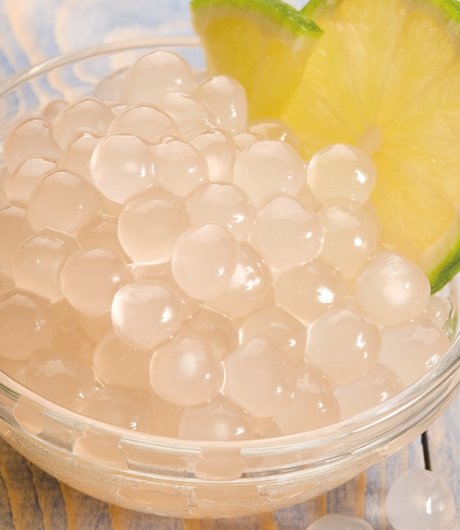
The β-D-mannuronic acid and α-L-guluronic acid units in its molecular structure enable it to form thermally irreversible gels with calcium ions. This property serves as the core foundation for its application in the food industry. Its unique gelling, thickening, and stabilizing properties are widely utilized.
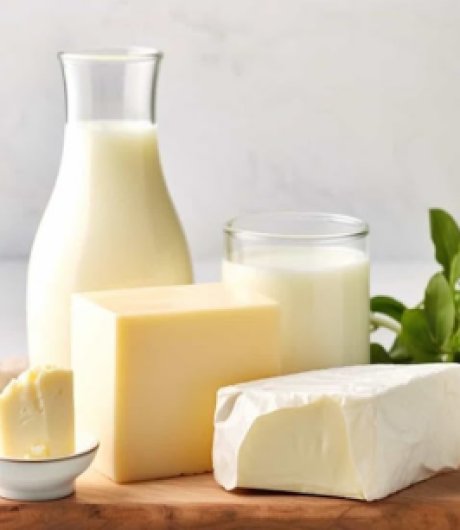
In food products, it can act as a modifier for flour-based products, a stabilizer for dairy products, a simulated fat substitute in meat products, and a gelling agent for candies.
As a natural water-soluble dietary fiber, it is extensively applied in multiple fields, ranging from traditionally processed foods to innovative health products.
Houzhuang Industrial Park,
Chengyang District, Qingdao City,
Shandong Province,P.R.China